Sourcing · China
ODM Trap: Who Owns Your Product and Mold in China
Learn how to avoid the ODM trap, ensure product ownership, and negotiate exclusivity. Get a step-by-step guide to protect your investment.
· 4 min read
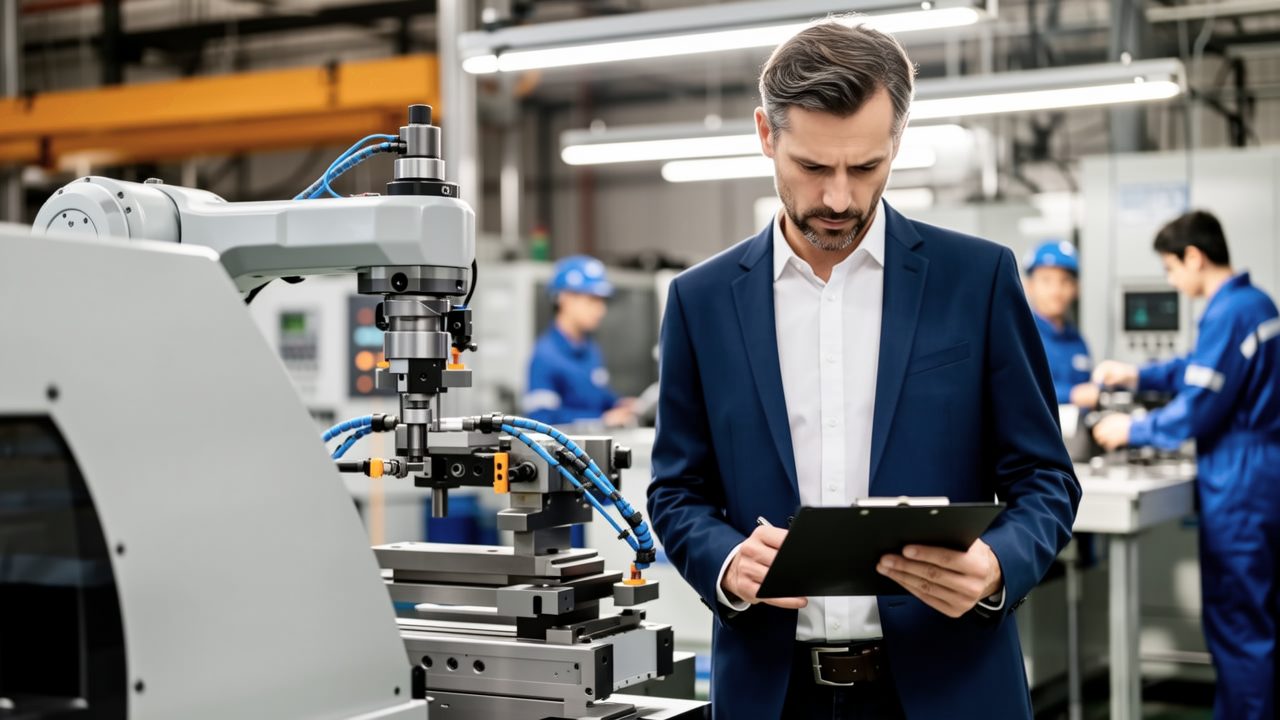
Understanding the ODM Trap
In the ODM (Original Design Manufacturer) model, the factory typically owns the product design. This means if you switch suppliers, you cannot take the design with you. The factory can also sell the same product to your competitors. To avoid this, you need to understand the ownership and exclusivity terms before starting any development.
Key Steps Before Starting ODM Collaboration
Before engaging with an ODM, follow these steps to protect your investment:
- Verify the legitimacy of the company. Use QualityInspection.org's guide to check if it is a real manufacturer or just a shell company.
- Conduct a thorough background check. Follow QualityInspection.org's steps to ensure the company is a genuine manufacturer and not a trading company.
- Download and use the Sofeast Factory Visit Checklist to prepare for your visit. This will help you evaluate the factory's capabilities and identify any red flags.
- Ask the right questions during your factory visit. Refer to Sofeast's 27 Questions to Ask During a Factory Visit to get a comprehensive understanding of the factory's operations.
Negotiating Exclusivity and Ownership
Exclusivity is a separate agreement that must be explicitly stated in the contract. If not, it is assumed that the factory can sell the same product to other buyers. Here’s how to negotiate exclusivity and ownership:
- Clearly define the terms of exclusivity in the contract. Specify the geographic regions, time periods, and any other conditions under which the factory cannot sell the product to others.
- Ensure the contract includes a clause that assigns the intellectual property (IP) rights to you. This should cover both the product design and the mold.
- Consider including a non-compete clause to prevent the factory from producing similar products for your competitors.
- Consult a legal expert familiar with Chinese law to review and finalize the contract. This will help ensure that all terms are enforceable and that your interests are protected.
The Importance of Pre-Production Runs
Skipping the pre-production run (PPR) can significantly increase the risk of issues later on. A PPR helps you identify and address any problems before mass production. Here’s how to conduct a successful PPR:
- Order a small batch of products (typically 50-100 units) to test the quality and functionality.
- Inspect the samples thoroughly. Check for any defects, inconsistencies, or deviations from the design specifications.
- Provide detailed feedback to the factory. Clearly communicate any changes or improvements needed before proceeding with mass production.
- Document all findings and communications. Keep a record of all interactions and agreements to ensure accountability.
Protecting Your Investment
To further protect your investment, consider the following steps:
- Register your product design and brand in China. This provides additional legal protection and strengthens your position in case of disputes.
- Establish a strong relationship with the factory. Regular communication and visits can help build trust and ensure that both parties are aligned.
- Monitor the production process closely. Regularly check the quality and progress of the production to catch any issues early.
- Consider using a third-party inspection service. Companies like Sofeast offer inspection services to verify the quality and compliance of the products.
What it looks like
Frequently asked
How do I verify if a Chinese company is legitimate?
Use QualityInspection.org's guide to check if it is a real manufacturer or a shell company. Conduct a thorough background check to ensure the company is genuine.
What is the importance of a pre-production run?
A pre-production run helps you identify and address any issues before mass production. It reduces the risk of defects and ensures the final product meets your standards.
How do I negotiate exclusivity with an ODM?
Clearly define the terms of exclusivity in the contract, specify the regions and time periods, and include a clause that assigns the IP rights to you. Consult a legal expert to ensure the terms are enforceable.
What should I do if I find defects in the pre-production samples?
Provide detailed feedback to the factory, clearly communicating any changes or improvements needed. Document all findings and communications to ensure accountability.
Can I register my product design and brand in China for added protection?
Yes, registering your product design and brand in China provides additional legal protection and strengthens your position in case of disputes.
On the ground in China
Want this handled by a person, not a browser tab?
A personal host meets you at arrivals, sets up payments and transport, and walks you through markets, factories or hospitals — transparent per-day pricing, itemized in writing before any payment.
About this guide
Written and maintained by the China Unboxed team from Shenzhen. We keep guides current and general on purpose — always verify prices and policies against official sources before booking.
Tell us where you are going and what is getting in your way, and a person in Shenzhen will write a plan for your trip.